
Maintaining a healthy smile starts with a simple daily routine best way to brush and floss. While these habits might seem straightforward, many people don’t realize that the technique matters just as much as the routine itself. Brushing too fast, skipping flossing, or using the wrong tools can lead to plaque buildup, gum problems, and cavities over time.
This guide explains the best way to brush and floss, helping you maintain healthy teeth and gums and prevent future dental issues.
Why Brushing and Flossing Matters: The Best Way to Brush and Floss for Healthy Gums
Your mouth naturally accumulates bacteria, food particles, and plaque throughout the day. If these are not removed properly, they can lead to:
- Tooth decay
- Gum disease
- Bad breath
- Plaque and tartar buildup
- Tooth sensitivity
Good oral hygiene at home plays a major role in preventing these issues. Even if you visit your dentist regularly, daily brushing and flossing are essential for long-term oral health.
How to Brush and Floss Your Teeth Properly
Brushing gets rid of plaque and bacteria from the surfaces of your teeth. But brushing correctly is key to ensuring a thorough clean without damaging your gums or enamel.
1. Choose the Right Toothbrush
Select a toothbrush that has:
- Soft bristles (gentle on gums and enamel)
- A small-to-medium head to reach all corners of your mouth
- Comfortable grip
An electric toothbrush is a great option if you want a more effective clean with less effort. Many people find electric brushes easier to use, especially for cleaning the gumline and hard-to-reach areas.
2. Use Fluoride Toothpaste
Fluoride helps strengthen enamel and prevent cavities. Make sure to choose a toothpaste that contains fluoride and is approved by dental associations for safety and effectiveness.
If you have sensitivity or gum problems, your dentist can suggest a specialized formula.
3. Brush for at Least 2 Minutes
Most people brush for less than 1 minute, which isn’t enough to remove plaque effectively. Aim for 2 full minutes, focusing on all areas of your mouth.
A simple way to do this is to divide your mouth into four sections:
- Upper right
- Upper left
- Lower right
- Lower left
Spend 30 seconds brushing each section.
4. Use the Right Brushing Technique
Good technique ensures you clean your teeth thoroughly while protecting your gums.
Follow these steps:
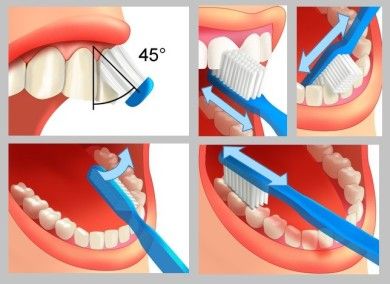
- Hold your toothbrush at a 45-degree angle to your gumline.
- Use gentle, circular motions rather than harsh back-and-forth scrubbing.
- Brush the outer surfaces of your teeth.
- Brush the inner surfaces, especially near the gumline.
- Clean the chewing surfaces with short, gentle strokes.
- Make sure to brush your back molars, which often get missed.
Avoid brushing too hard—this can lead to gum recession and enamel wear.
5. Don’t Forget Your Tongue
Bacteria on your tongue can lead to bad breath. Use a tongue scraper or gently brush your tongue from back to front to remove buildup.
6. Brush Twice Daily
Brush:
- Once in the morning
- Once before bed
The nighttime brushing is the most important because plaque builds up throughout the day, and bacteria multiply while you sleep.
7. Replace Your Toothbrush Regularly
Replace your toothbrush or electric head every 3 months, or earlier if the bristles start to fray. A worn-out toothbrush does not clean effectively.
How to Brush and Floss Properly Cavity Prevention
Flossing reaches areas your toothbrush cannot—specifically between the teeth and under the gumline. Skipping flossing leaves nearly 40% of your tooth surfaces uncleaned.
Here’s how to floss correctly:
1. Use Enough Floss
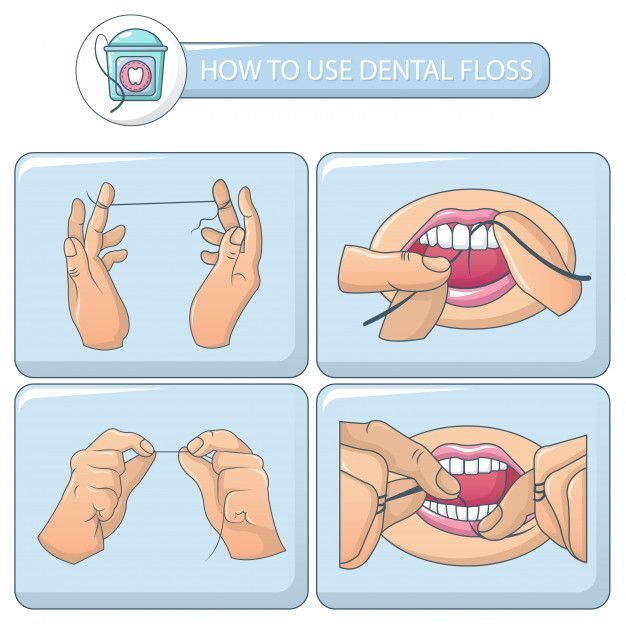
Take about 18 inches of floss and wrap most of it around your middle finger on one hand, with the rest around your opposite middle finger. This gives you control and ensures you have fresh floss for each tooth.
2. Insert the Floss Gently
Slide the floss gently between your teeth. Avoid snapping it down onto your gums, as this can cause injury.
3. Use the C-Shape Technique
Once the floss is between your teeth:
- Curve it into a C-shape around the side of one tooth.
- Slide it gently up and down.
- Clean just below the gumline.
- Repeat on the adjacent tooth.
The C-shape method ensures you’re removing plaque thoroughly without harming your gums.
4. Use a Fresh Section of Floss for Each Tooth
Move the floss slightly along your finger each time to use a clean portion. This prevents transferring plaque to other teeth.
5. Floss Once Daily
Flossing before bed is ideal because it removes food particles and plaque that have accumulated throughout the day.
Flossing Alternatives
If traditional floss is difficult for you, consider these alternatives:
Water Flossers
Great for people with braces, implants, bridges, or gum sensitivity.
Interdental Brushes
Effective for larger gaps between teeth or for people with gum recession.
Floss Picks
Convenient and easy to use, especially for beginners or children.
While these tools are helpful, traditional floss generally provides the most thorough cleaning. Choose the option that you can use consistently.
Common Mistakes to Avoid : Best way to brush and floss
- Brushing too hard
- Using a hard-bristled brush
- Brushing for less than 2 minutes
- Forgetting the tongue
- Flossing aggressively
- Skipping flossing
- Using worn-out toothbrushes
- Only brushing once a day
Correcting these small habits can greatly improve your oral hygiene.
Final Thoughts : Best way to brush and floss gum health
Brushing and flossing properly are essential habits for maintaining strong teeth, healthy gums, and fresh breath. When done correctly, these simple daily routines help prevent cavities, gum disease, and long-term dental problems. Pairing good home care with regular dental checkups is the best way to keep your smile healthy for life.
If you need personalized recommendations on brushing or flossing techniques, or if you’re ready for your next checkup, feel free to contact us or schedule a consultation. Your smile deserves the best care!