
When most people think about their teeth do adult have, they usually focus on brushing, flossing, and keeping their smile bright. But very few actually know how many teeth adults are supposed to have and why each one matters. Understanding the number of teeth and their roles gives you a clearer picture of your oral health and helps you appreciate how important it is to take care of them. As a dentist working in Ongole with clinical experience, I see many patients who have questions about missing teeth, wisdom teeth, and the structure of their mouth. So, let’s break it down in a simple and practical way.
The Simple Answer: Teeth do adult Have 32 Teeth
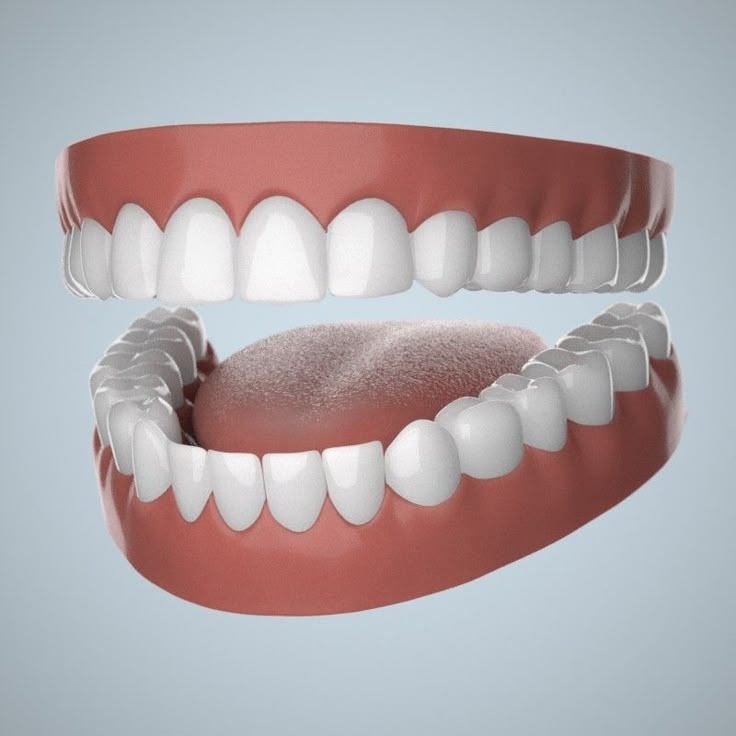
A fully developed adult dentition consists of 32 permanent teeth. These include:
- 8 incisors
- 4 canines
- 8 premolars
- 12 molars (including 4 wisdom teeth)
However, it’s important to note that not everyone ends up with all 32 teeth. Many adults have their wisdom teeth removed or never develop them at all. In those cases, the total count becomes 28 teeth, which is completely normal and healthy.
Understanding the Different Types of Adult Teeth
Every tooth in your mouth has a job. They are not just for chewing; they also play a role in speech, jaw alignment, and the shape of your face. Here’s a closer look at each group.
Incisors – The Front Teeth
Incisors are the sharp, flat teeth at the front of your mouth. There are four on the top and four on the bottom. These teeth help you bite into food and cut it into smaller pieces. They also influence how you pronounce certain sounds and affect the overall aesthetics of your smile.
Canines – The Corner Teeth
Canines are often called the “cornerstones” of your smile. There are two canines in the upper jaw and two in the lower jaw. These pointed teeth help you tear food. They are also important for guiding your bite and supporting facial shape.
Premolars – The Multi-Tasking Teeth
Premolars sit between your canines and molars. Adults have eight premolars in total. They have a broad surface, allowing them to crush and grind food efficiently. Premolars are also responsible for distributing chewing forces evenly, preventing excessive pressure on the front teeth.
Molars – The Major Chewing Teeth
Molars are the strongest and largest teeth in your mouth. There are twelve molars, four of which are wisdom teeth. They help you grind food into small, digestible pieces. Because they are located at the back and have deep grooves, molars are more prone to cavities if not cleaned properly.
Teeth do adult have Wisdom Teeth: Do They Count?
Wisdom teeth, or third molars, typically appear between the ages of 17 and 25. Not everyone develops them, and not everyone needs them. In modern lifestyles, wisdom teeth often don’t have enough space to erupt properly, leading to issues like:
- Pain
- Infection
- Crowding
- Impacted teeth
- Difficulty cleaning
As dentists, we often recommend removing problematic wisdom teeth to maintain oral health. If a person never develops them or has them removed, they still maintain a healthy adult dentition with 28 teeth.
Why Teeth do adult have Adults Have Fewer Than 32 Teeth
Apart from wisdom teeth removal, there are many reasons an adult might have fewer teeth:
- Tooth decay causing extractions
- Gum disease leading to tooth loss
- Congenital absence (some teeth never form)
- Trauma or injury
- Orthodontic treatment involving premolar extraction
In all these cases, modern dentistry offers excellent solutions such as implants, bridges, and dentures to restore function and appearance.
How Teeth do adult have Erupt and Develop
Adult teeth don’t appear overnight. They gradually replace baby teeth through a process called exfoliation. By around age 12 to 13, most children have lost all their baby teeth and have nearly all their permanent teeth—except wisdom teeth.
The roots of adult teeth are longer, stronger, and designed to last a lifetime with proper care. This is why maintaining oral hygiene from childhood is so critical.
The Importance of Protecting Your Adult Teeth
Since adults get only one set of permanent teeth (unlike baby teeth, which are replaceable), protecting them should be a lifelong priority. Here are essential habits that I always emphasize to my patients in Ongole:
- Brush twice a day with fluoride toothpaste
- Floss daily to prevent plaque buildup
- Limit sugary and acidic foods
- Visit your dentist every six months
- Treat gum problems early
- Replace missing teeth promptly to maintain jaw stability
A healthy set of teeth not only improves your appearance but also supports overall teeth Health and wellness. Poor oral health has been linked to conditions such as diabetes, heart disease, and digestive problems.
Do All Adults Need All 32 Teeth?
Not necessarily. Many people live comfortably with 28 teeth, especially if wisdom teeth were removed or never developed. What matters most is that the remaining teeth are healthy, properly aligned, and functioning well.
As long as your bite is stable, chewing is comfortable, and there is no crowding or gum disease, you do not need to worry about not having all 32 teeth.
Final Thoughts
Knowing how many teeth adults have may seem like a simple question, but understanding the purpose behind each type of tooth helps you appreciate the complexity of your oral health. Whether you have 32 teeth or 28, maintaining them with good hygiene, regular dental visits, and prompt treatment when needed is the key to keeping your smile strong and beautiful.