
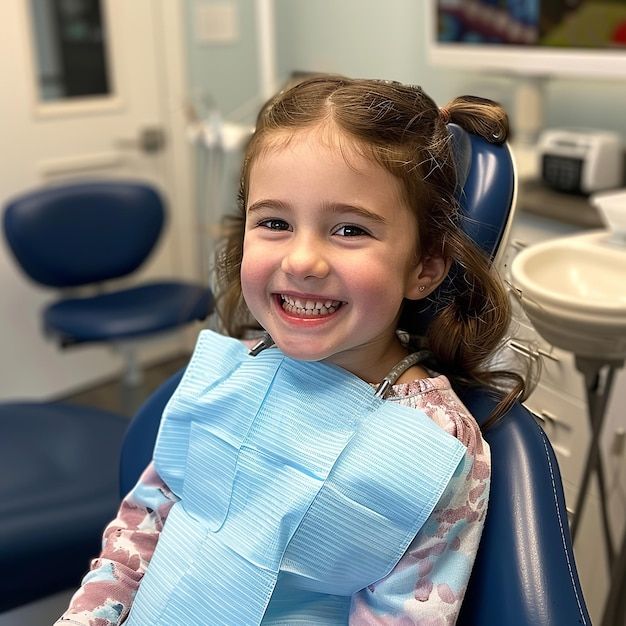
A child’s first dental visit is an important milestone, not just for their oral health but also for building confidence and trust in dental care. As a practicing dentist in Ongole, I often meet parents who feel anxious about how their child will behave during that first appointment. Some children walk in bravely, while others cling tightly to their parents. Both reactions are completely normal. What truly matters is how we prepare them and how the dental team guides them through the experience.
In this blog, I want to share practical, simple, experience-based tips to help you make your child’s first dental visit smooth and comfortable.
Begin Dental Visits Early
One of the best ways to avoid fear is to start early. The ideal age for the first dental visit is when the first tooth appears or by the child’s first birthday. Early visits help children get used to the dental environment before any dental problems occur.
When a child grows up seeing the clinic as a friendly place rather than a place associated with pain or injections, they naturally feel relaxed in future appointments. Early visits also help parents learn proper brushing techniques, feeding guidelines, and preventive care.
Talk Positively About child’s first dental visit
Children pick up on emotions quickly. If parents seem nervous or speak about dental visits in a fearful way, children begin to imagine that something bad will happen. Before the appointment, use encouraging and simple language such as:
- “The dentist will count your teeth.”
- “We’re going to meet the tooth doctor.”
- “You’ll get to sit on a special moving chair.”
Avoid negative phrases like “It won’t hurt,” because this may create fear instead of reassurance.
Choose the Best Time of Day
A tired or hungry child is more likely to feel irritable. Schedule the appointment during a time when your child is active, fresh, and well-rested. Many parents find that morning appointments work best because children are in a good mood and more cooperative.
Do a Simple Practice Session Child’s first dental visit
Children feel more comfortable when they know what to expect. You can turn preparation into a fun activity at home:
- Pretend to be the dentist and gently check their teeth.
- Use a mirror to let them count their own teeth.
- Read a short story about visiting the dentist.
- Watch a child-friendly video showing a dental checkup.
These small steps help the child feel familiar with the idea of someone looking inside their mouth.
Bring a Comfort Item
A favorite toy, soft blanket, or small book can make a huge difference. Many young children instantly relax when they hold something familiar. I often allow children to keep their comfort item with them during the examination because it helps them feel safe and confident.
Stay Calm and Supportive During the Visit
Parents play an important role during the first dental appointment. Your child will look to you for reassurance. Keep your tone calm and cheerful. If you appear stressed or worried, the child will sense it and may react negatively.
During the visit:
- Hold their hand if needed.
- Smile and encourage them.
- Allow the dentist to guide the child gently.
Dentists experienced with children often use friendly conversation, playful language, and small demonstrations to win a child’s trust.
Let the Dentist Take the Lead
Sometimes parents feel the need to explain every detail to their child, but too much information can overwhelm them. Allow the dentist to introduce tools and steps one by one. We usually start with simple things like:
- Showing them the mirror
- Letting them touch the dental chair buttons
- Demonstrating the air-water syringe
- Asking fun questions to distract them
This gradual approach removes fear and builds curiosity.
Avoid Using Fear as a Parenting Tool
Many parents unintentionally create dental anxiety by saying things like:
- “If you don’t brush, the dentist will scold you.”
- “The dentist will give you an injection.”
Children remember these statements and may walk into their first appointment expecting something scary. Instead, focus on positive motivation:
- “Brushing keeps your teeth strong.”
- “The dentist helps your smile stay healthy.”
Positive reinforcement builds long-term trust.
Celebrate Their Effort Afterwards
No matter how the appointment goes—whether your child was calm or nervous—praise them for their effort. Appreciation such as “You did a great job!” helps them feel proud and encourages better cooperation in future visits.
Some parents like to give a small reward like a sticker or a new coloring book. Rewards create a happy association with dental visits.
Make Oral Care a Daily Routine Child’s first dental visit
A comfortable first visit is just the beginning. Good habits at home help your child feel more confident about their teeth and about future appointments.
- Brush twice a day with a soft brush.
- Use a rice-grain amount of toothpaste for toddlers.
- Reduce nighttime bottle feeding.
- Avoid sticky, sugary snacks.
- Drink water after meals.
Regular dental checkups every six months help track tooth development and prevent early decay.
Final Thoughts
A child’s first dental visit sets the foundation for how they will feel about dental care throughout their life. With gentle preparation, positive communication, and a supportive approach, parents can help their child build confidence and comfort. As a dentist in Ongole, I have seen that children who have pleasant early experiences grow into adults who take oral health seriously without fear or hesitation.
Your child’s smile deserves a great start—and with the right guidance, their first dental visit can be a happy and memorable one.