
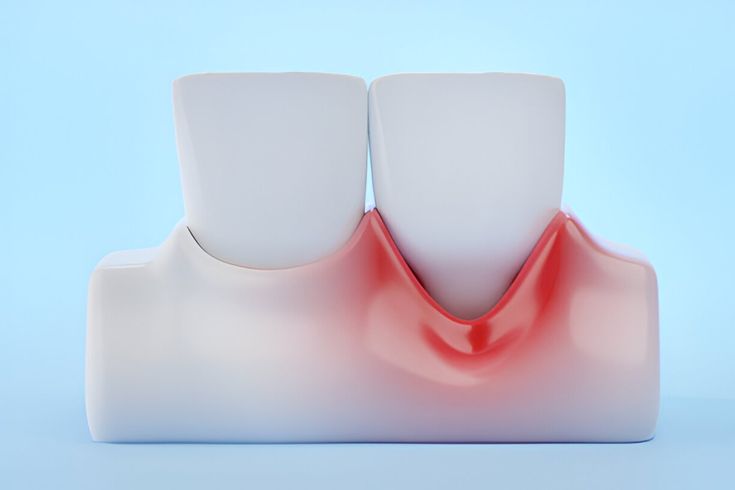
Smoking effects teeth doesn’t just harm your lungs and heart it also takes a serious toll on your oral health. As a dentist with over 8 years of experience, I’ve seen firsth and how tobacco use can lead to gum disease, tooth loss, and other complications that affect both appearance and overall well-being.
In this blog, let’s understand exactly how smoking effects teeth your gums, teeth, and mouth, and what you can do to protect your smile.
How Smoking Effects Teeth Oral Health
Smoking introduces thousands of harmful chemicals into your mouth. These toxins damage the soft tissues, reduce blood flow, and weaken your body’s ability to fight infection. Over time, this leads to a variety of dental problems that go beyond just staining your teeth. Cavity treatments
1. Gum Disease (Periodontal Disease)
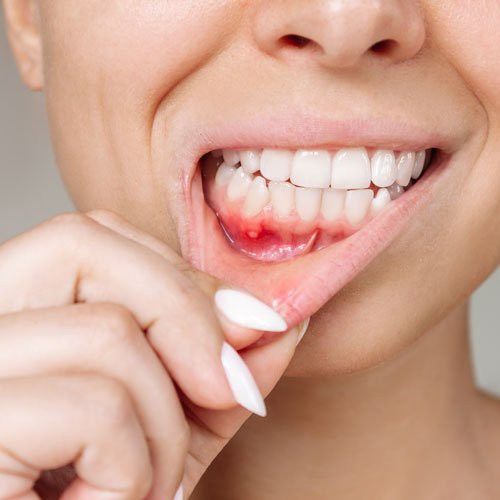
Smokers are 2 to 6 times more likely to develop gum disease than non-smokers. Nicotine restricts blood flow to the gums, reducing the supply of oxygen and nutrients. This makes it harder for your gums to heal or fight bacteria.
Common signs include:
- Bleeding gums while brushing or flossing
- Swollen, tender, or receding gums
- Persistent bad breath
- Loose or shifting teeth
If untreated, gum disease can lead to tooth loss and even affect your jawbone health.
2. Tooth Discoloration Smoking Effects Teeth
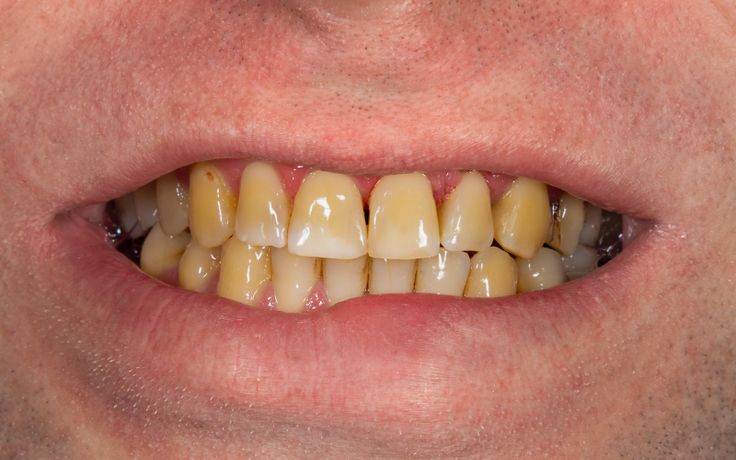
One of the most visible effects of smoking is yellow or brown tooth stains. The tar and nicotine in tobacco stick to tooth enamel, giving a dull or darkened appearance that brushing alone cannot remove. Professional dental cleaning or whitening may be needed to restore brightness.
3. Bad Breath (Halitosis)
Smoking dries out your mouth and leaves behind a lingering tobacco smell. It also encourages bacterial growth, leading to chronic bad breath that mints or mouthwash can’t hide.
4. Delayed Healing After Dental Procedures
Whether you’ve had a tooth extraction, gum surgery, dentaimplant, smoking slows down the healing process. The reduced oxygen flow prevents proper tissue repair and increases the risk of infection or implant failure.
5. Oral Cancer Risk
Long-term smoking dramatically increases the risk of oral cancer, including cancer of the lips, tongue, cheeks, and throat. Early signs can be painless, so regular dental check-ups are crucial for early detection.
6. Reduced Sense of Taste and Smell
Smoking dulls your taste buds and affects your sense of smell. Many smokers don’t realize how much flavor they’re missing until they quit.
Tips to Protect Your Oral Health if You Smoke
If you’re currently smoking, it’s never too late to start protecting your mouth. Here’s how you can help minimize damage:
- Brush twice a day with fluoride toothpaste.
- Floss daily to remove plaque near the gums.
- Rinse with an antibacterial mouthwash.
- Visit your dentist regularly for professional cleaning and oral exams.
- Seek help to quit smoking — your dentist can guide you with cessation resources.
How Long Does It Take for Smoking Effects Teeth?
Smoking is one of the most harmful habits for your overall and oral health. While many people associate smoking with lung problems, it can also have a rapid and lasting impact on your teeth, gums, and mouth.
As a dentist with over 8 years of experience, I often meet patients who are surprised at how quickly smoking starts to damage their smiles.
In this blog, let’s explore how long it takes for smoking to affect your teeth — and what happens inside your mouth once you light that first cigarette.
How Soon Does Smoking Effects Teeth?
The truth is, smoking begins to harm your mouth almost immediately. The effects can start within a few days to weeks, depending on how often and how much you smoke. Over time, these effects become more visible and severe.
Here’s a general timeline of what happens:
After a Few Days of Smoking
- Bad breath starts to develop due to tar, nicotine, and dry mouth.
- You may notice a sticky feeling on your teeth and tongue.
- Taste and smell sensitivity begin to dull slightly. Smoking effects teeth
After a Few Weeks
- Teeth begin to lose their natural shine and start to appear yellow or brown.
- Plaque and tartar accumulate faster because smoking changes your saliva’s natural balance.
- Your gums may become inflamed or start to bleed slightly when brushing.
After a Few Months
- Persistent bad breath (halitosis) becomes more noticeable.
- Gum disease begins to develop as blood flow to the gums decreases.
- Smokers may start to experience tooth sensitivity or mild pain.
After a Few Years
- Teeth show heavy staining and discoloration that brushing alone cannot remove.
- Gum recession becomes visible — teeth may look longer.
- The risk of tooth decay, bone loss, and tooth loss increases significantly.
- Smokers are at a much higher risk of oral cancer.
So, while some effects like staining can appear within weeks, serious gum and bone damage may develop quietly over months or years — often without pain until it’s advanced.
Why Smoking Damages Teeth So Quickly
- Reduced Blood Flow: Nicotine constricts blood vessels, cutting off oxygen and nutrients that keep gums healthy.
- Dry Mouth: Smoking decreases saliva, which normally protects teeth from decay.
- Toxin Buildup: Tar and chemicals stick to enamel, breaking it down and allowing plaque bacteria to thrive.
- Weakened Immune System: The body’s ability to fight oral infections is reduced, making it harder to heal.
Can the Damage Be Reversed?
If you quit smoking early, some effects can improve — such as gum color, breath freshness, and saliva flow. However, advanced damage like bone loss or deep staining may need professional dental care.
Regular dental check-ups and cleanings are essential for smokers to detect early signs of gum disease or oral cancer.
Conclusion
Smoking has a powerful and damaging impact on your gums, teeth, and overall oral health. From gum disease and tooth discoloration to delayed healing and increased cancer risk, the effects can be long-term and severe.
The good news is that with the right dental care and the decision to quit smoking, your mouth can begin to heal, your breath will improve, and your smile will regain its strength and brightness.
If you smoke and have concerns about your oral health, book a dental check-up at Dental Clinic, Ongole. Early diagnosis and professional guidance can help prevent serious dental problems and protect your smile for life.